


Introduction
Kos is not just a Greek island paradise of sun and sea—it’s also one of the most historically significant destinations in the Dodecanese. Its cultural fabric is woven with the stories of ancient Greeks, Romans, Byzantines, and the Knights of St. John. In this guide, we explore how to experience Kos’s rich historical heritage, from iconic landmarks to lesser-known sites.
1. Asklepion – The Heart of Healing
The Asklepion of Kos is arguably the most famous archaeological site on the island. Built in the 4th century BC and dedicated to Asclepius, the god of healing, it’s considered one of the first medical schools in the world. Hippocrates, the father of modern medicine, taught here. The three-tiered sanctuary includes temples, baths, and dormitories, all nestled in a pine-covered hillside with sweeping sea views.
2. The Ancient Agora – Where Life Once Bustled
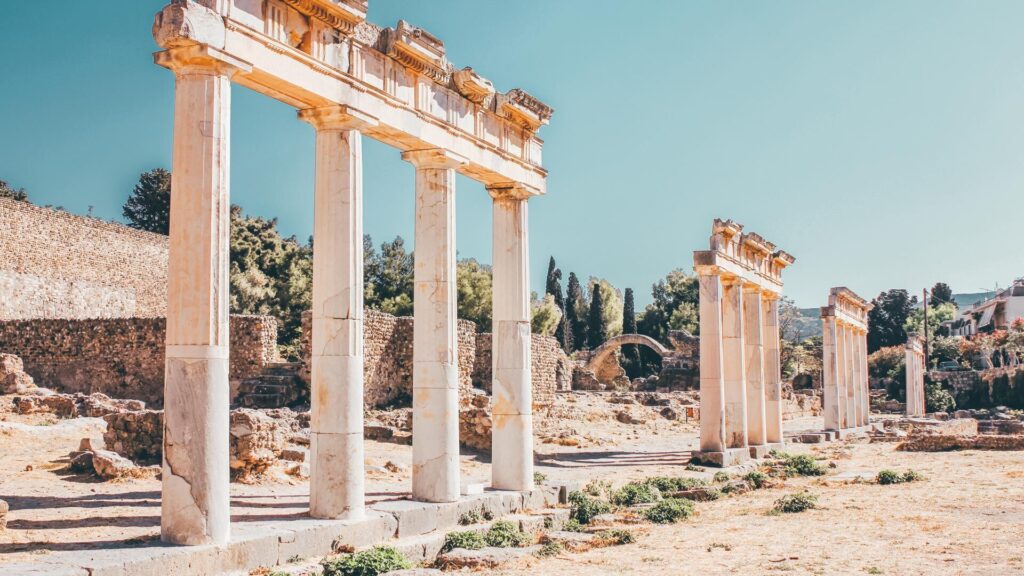
In the center of Kos Town lies the Ancient Agora, once the commercial and religious heart of the city. Built in the Hellenistic period and expanded by the Romans, this open space includes remnants of temples, fountains, altars, and mosaic floors. Walking its paths offers a glimpse into everyday life over 2,000 years ago.
3. Roman Odeon – Echoes of Entertainment
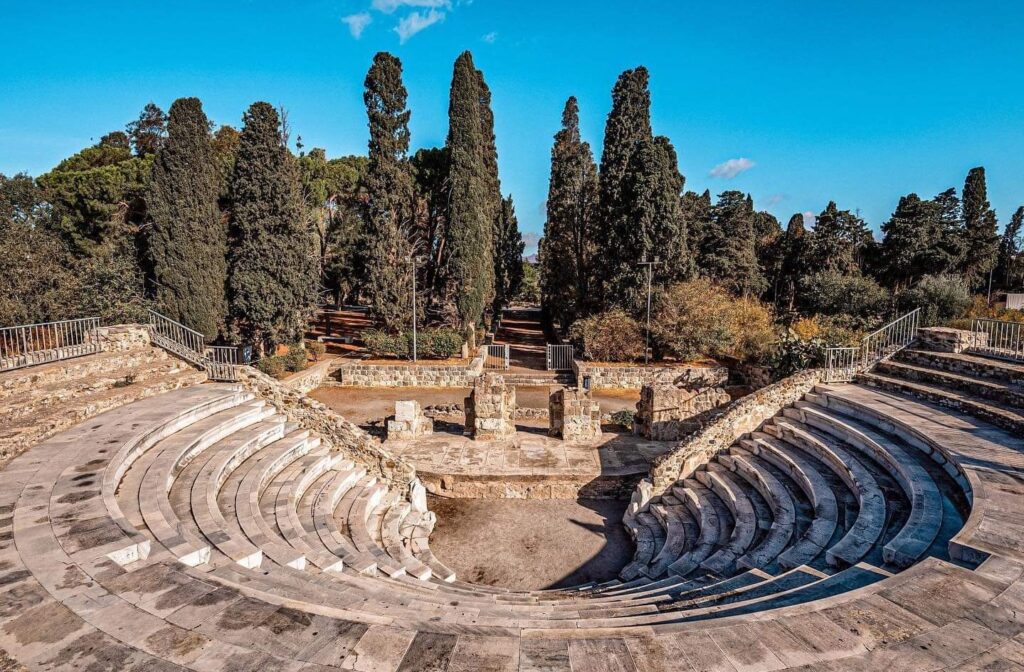
This 2nd-century AD amphitheater hosted concerts, speeches, and public gatherings. Partially restored, it retains 14 rows of original marble seating. The structure is a tribute to Roman engineering and provides insight into Kos’s cultural life during Roman rule. Today, it still hosts performances under the island sky.
4. Casa Romana – The Roman Lifestyle
Adjacent to the Odeon, Casa Romana is a beautifully reconstructed Roman villa. Featuring inner courtyards, columns, frescoes, and intricate mosaics, it recreates the domestic life of Kos’s elite. Statues and artifacts displayed here offer a vivid narrative of the island’s affluent Roman era.
5. Neratzia Castle – The Knights’ Stronghold
Guarding the entrance to the old harbor, Neratzia Castle was built by the Knights of St. John in the 14th century. With its double walls, stone bridges, and lookout towers, the fortress was part of a larger defense system. Wander its ramparts for panoramic views of the harbor, and imagine life during the medieval clashes between Christian knights and Ottoman forces.
6. Tree of Hippocrates – A Living Legend
Near the castle stands a plane tree said to be descended from the original under which Hippocrates taught his students. Though the current tree is several hundred years old, it remains a symbol of wisdom and healing. The square around the tree also includes Ottoman fountains and a rich blend of architectural styles.
7. Western Archaeological Zone – Open-Air Time Capsule
One of Kos’s largest archaeological areas, this site includes gymnasiums, Roman baths, porticoes, and early Christian basilicas. Mosaics, ancient streets, and public squares transport you to another era. Best explored in the early morning or late afternoon, it’s a peaceful place to take in the layers of Kos’s urban past.
8. Byzantine & Early Christian Landmarks
Kos also holds a rich collection of early Christian basilicas and Byzantine chapels. Explore the basilica ruins at Agios Stefanos Beach, where columns meet the sea, or visit Agia Paraskevi Church in Kos Town for a more intact Byzantine experience.
Tips for History Lovers
- Combine sites like the Asklepion, Roman Odeon, and Casa Romana for a half-day heritage walk.
- Use local guides or audio tours for in-depth context.
- Wear comfortable shoes and bring water—many sites are exposed to the sun.
Conclusion
Kos’s history is not just something to be studied—it’s something to be walked through, touched, and experienced. From ancient sanctuaries to medieval castles, the island invites you to trace the footsteps of great thinkers, warriors, and everyday people from ages past. At Memphis Suites, we offer insider tips, to help you explore Kos’s historical treasures in the most enriching way possible. Come for the beaches—stay for the story.